

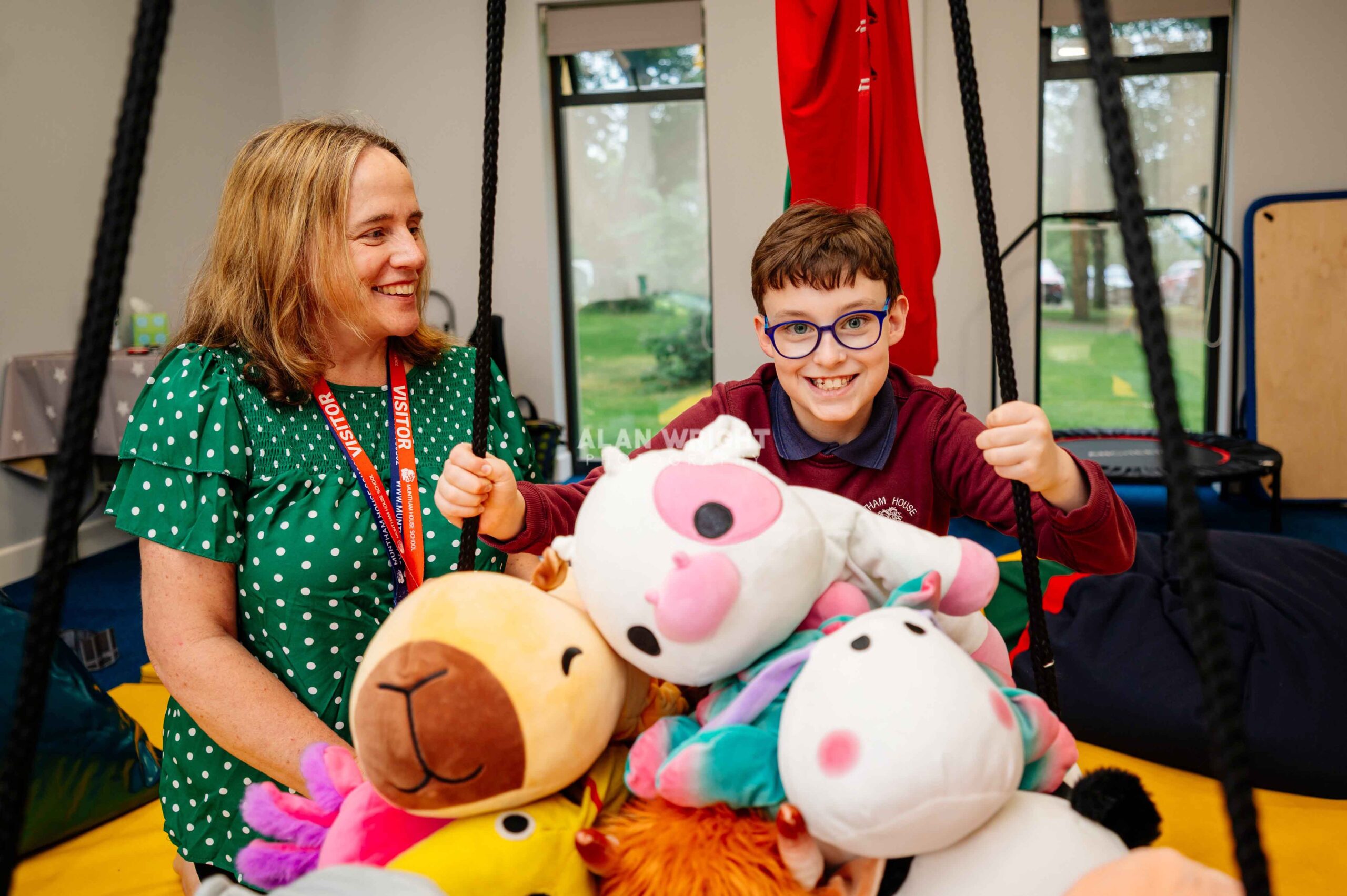
Therapy has helped many has a positive impact on pupils (©AAH/Alan Wright)
There was a time when Muntham House in Barns Green was known by some as the “naughty boys’ school on the hill”. However, recent changes in its Special Educational Needs (SEN) provision have seen the school for boys aged 5 – 18 recognised as a Centre of Excellence within the Inclusion Quality Mark (IQM) framework.
Having had no primary aged pupils at one point, this September will see the school increase its primary provision to seven classrooms. This has helped boost the number of day and boarding pupils studying for GCSEs at secondary level too, with many of these continuing into further education.
Muntham House attributes much of its success to an innovative therapy and counselling programme. A Therapy Centre provides pupils with a wide range of therapeutic support, offering everything from Lego Therapy to Canine Therapy, helping boys reach their academic potential and develop life skills.
Shona Puttick, Head of Therapy, said: ‘Since opening in 2021, the Therapy Centre has made a huge difference. When I first joined the school, we had only three therapists. Now, we have a team of 15, including speech and language therapists, occupational therapists, dyslexic specialists, cognitive behaviour therapists, specialists in play, drama and music, an animal practitioner and a canine practitioner. Sometimes, our therapists work within the classroom environment. However, we also have one-to-one sessions in the Therapy Centre, with a child attending sessions once a week for six weeks, which can be extended if required.’
‘There is still a stigma attached to children’s therapy, which can lead to them concealing their struggles, as if they’re something to be ashamed of. So, when it came to building the Therapy Centre, we chose a location at the heart of the school to encourage young people to engage. Now, we have no such stigma regarding mental health.’
‘Some of our pupils have faced difficulties and challenges in their lives and need help at times. So, every child in the school now has therapy of one form or another, and we’re seeing positive long-term results, not just in terms of academic achievement and qualifications, but in other ways too. For example, music therapy led to the creation of a Makaton choir, combining singing with sign language, and our young people have had some magical experiences performing in front of friends and family.’
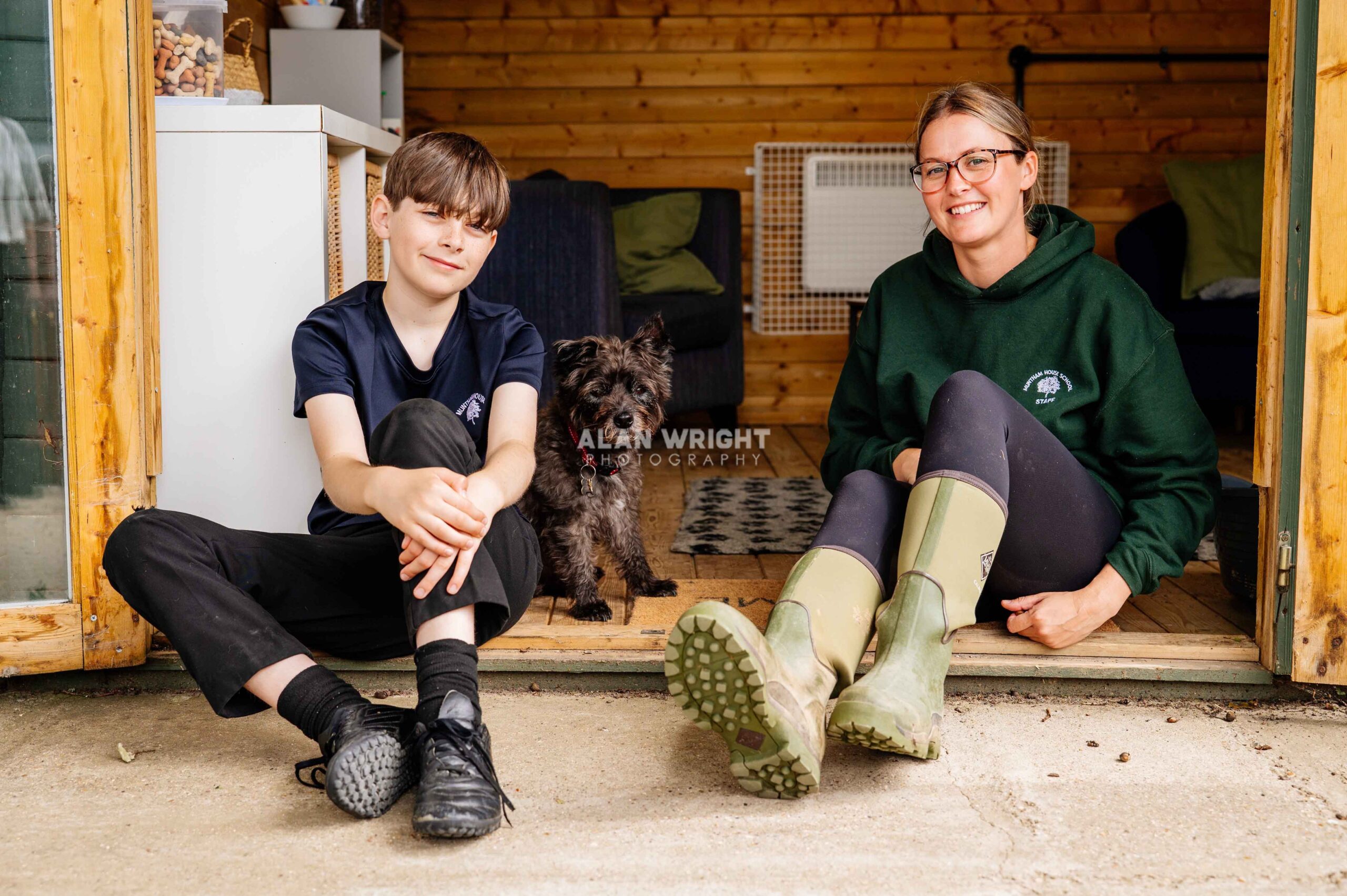
Many pupils enjoy canine therapy (©AAH/Alan Wright)
OUTREACH WORK
As well as providing therapy to its pupils, Muntham House have developed an innovative Outreach programme, sharing its resources with local mainstream schools. This programme evolved after several tragic incidents, in which young people tragically took their own lives in the years after the Covid-19 lockdowns.
The school offered its therapy services to The Weald, Tanbridge, Forest and Bohunt, with a small number of pupils from each spending a day at Muntham House to benefit from forms of therapy. Gradually, the Outreach programme has changed to support not just pupils from other schools, but parents too.
Shona said: ‘We started our Outreach work in 2021, as the loss of young people in the area obviously impacted the mental health of others too. Mainstream schools don’t have the funding or resources to offer a wide range of therapeutic services, so we felt it was our responsibility to share resources for the benefit of all. ‘As well as secondary schools, we’ve supported 12 local primary schools, at no cost to them. Staff from these partner schools join pupils too, and we share strategies that we hope they can take away for long-lasting benefit.
‘Young people can be referred to us for many different reasons. Some have experienced a family bereavement and come to Muntham House one day a week for therapy and counselling. They often emerge stronger, in a position to re-enter education and succeed. What happened organically was that we started supporting their parents as well, helping with the challenges they were experiencing. Many pupils felt more comfortable visiting us with parents, and after therapy they often enjoyed walking around the grounds together, forming closer bonds. Our hope is always that these pupils can stay in mainstream education. However, if a child’s needs cannot be met (in a mainstream school), we support their transition to SEN provision. Some young people can go through difficult times with their schooling, so parents are relieved when they come here and see that there’s an alternative, where their child might receive an education that will be more beneficial to them.’
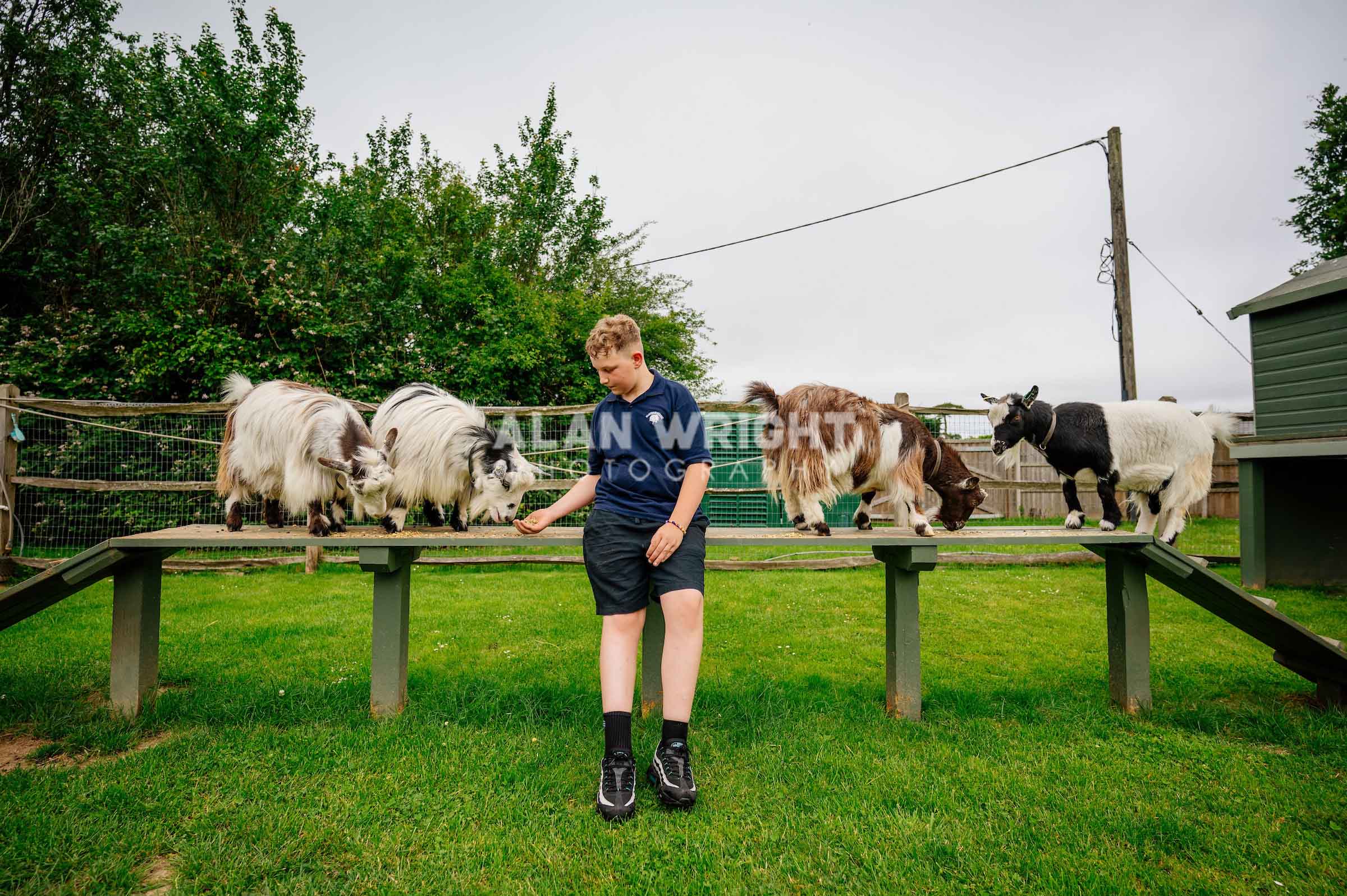
Noah has aspirations to become a farrier (©AAH/Alan Wright)
ANIMAL FARM
The success of the school’s Therapy Centre and Outreach programme has attracted political interest.
Horsham MP John Milne is an advocate of the programme, while Shona and school Principal Harry Anderson visited Westminster in January, where they met MP Adam Schokat, Vice Chair of the All-Party Parliamentary Group (APPG) on Special Educational Needs and Disabilities (SEND). Shona believes that Muntham House’s therapy model could be replicated, helping to reduce the country’s mental health crisis.
As well as building a Therapy Centre, the sensory needs of pupils are met in other ways, notably through animals. Canine therapy has made a positive difference, as has an animal farm within the school’s 23-acres of grounds. The farm includes chickens, pygmy goats, donkeys and pigs. By giving students hands-on experience, the farm serves as an educational resource, inspiring those boys looking to pursue careers in animal care or farming. Adjacent to this is a garden and poly-tunnel where students grow plants, fruit and vegetables, while in the classroom, there’s a commitment to developing skills that lead to employment.
Mr Anderson said: ‘At Secondary level, we teach the core GCSE subjects of English, maths, IT and science (physics, chemistry, biology). Those that don’t pass a core subject can re-sit exams and we’ve had a 100% pass rate for the last six years. We also cater for the varied aspirations of students by teaching music, art, drama, DT and humanities (geography and history).
‘For our Post-16 education, we offer a BTEC in food technology, drama, music, motor mechanics and even photography. The BTEC focuses on practical skills and suit our students, as they’re coursework-led, rather than being based around exams, which tend not to suit SEN children.
‘The animal farm has been a fantastic addition and complements the horticultural area and our two Forest School classrooms. Many students want to pursue a career in outdoor work, such as agriculture, veterinary care, farriery, blacksmithing, and other practical jobs. So, we try to give them the skills they require and help them take the next step, whether that’s in the workplace or in further education, to give them the best chance to succeed. Some of our boys have previously refused school before joining Muntham House, but through our therapy provision, we develop their skill set and confidence, so that they can attend classes, get on with other children and build a resilience that will help them to engage in learning and turn their life around.’
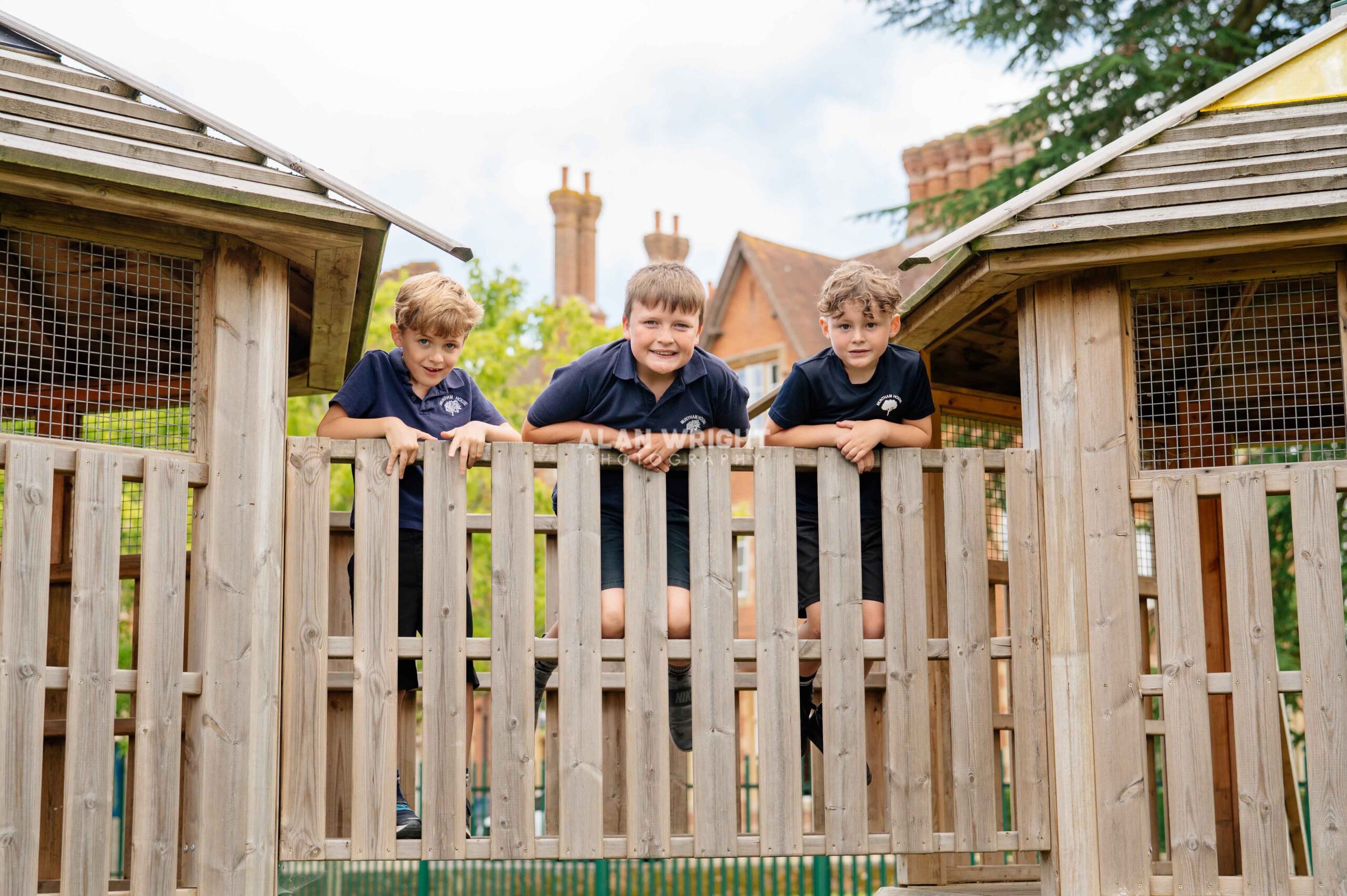
Primary School pupils at Muntham House School (©AAH/Alan Wright)
PRIMARY OBJECTIVE
As well as its approach to therapy, a focus on primary education has helped revive the school’s fortunes. Prior to Mr Anderson’s appointment as Principal, there were only 38 children in the whole school, with boys from different years coming together to form classes, normally limited to six pupils.
Primary classrooms were empty, yet the school now has 53 primary aged children in seven classes, with a fantastic play area too. The success of the primary school has helped to ensure more remain at secondary level, with around 140 pupils now across the school. More improvements are coming soon. This September, work begins on extending the Therapy Centre, while two new primary classrooms will provide 12 additional places.
Mr Anderson said: ‘We have a small number of children with complex SEN needs who don’t quite fit into our secondary provision. The standard academic day of seven 45-minute lessons is too much and they need something more akin to a primary model. Rather than making school uncomfortable for them – and perhaps detrimental to younger children by having them share classes – we are giving them their own space. A new building will be erected behind the Therapy Centre, led by staff with a high level of therapeutic expertise. These pupils require a bespoke educational programme, working towards ASDAN Personal Effectiveness Qualifications, which give them life skills to help them live independently.’
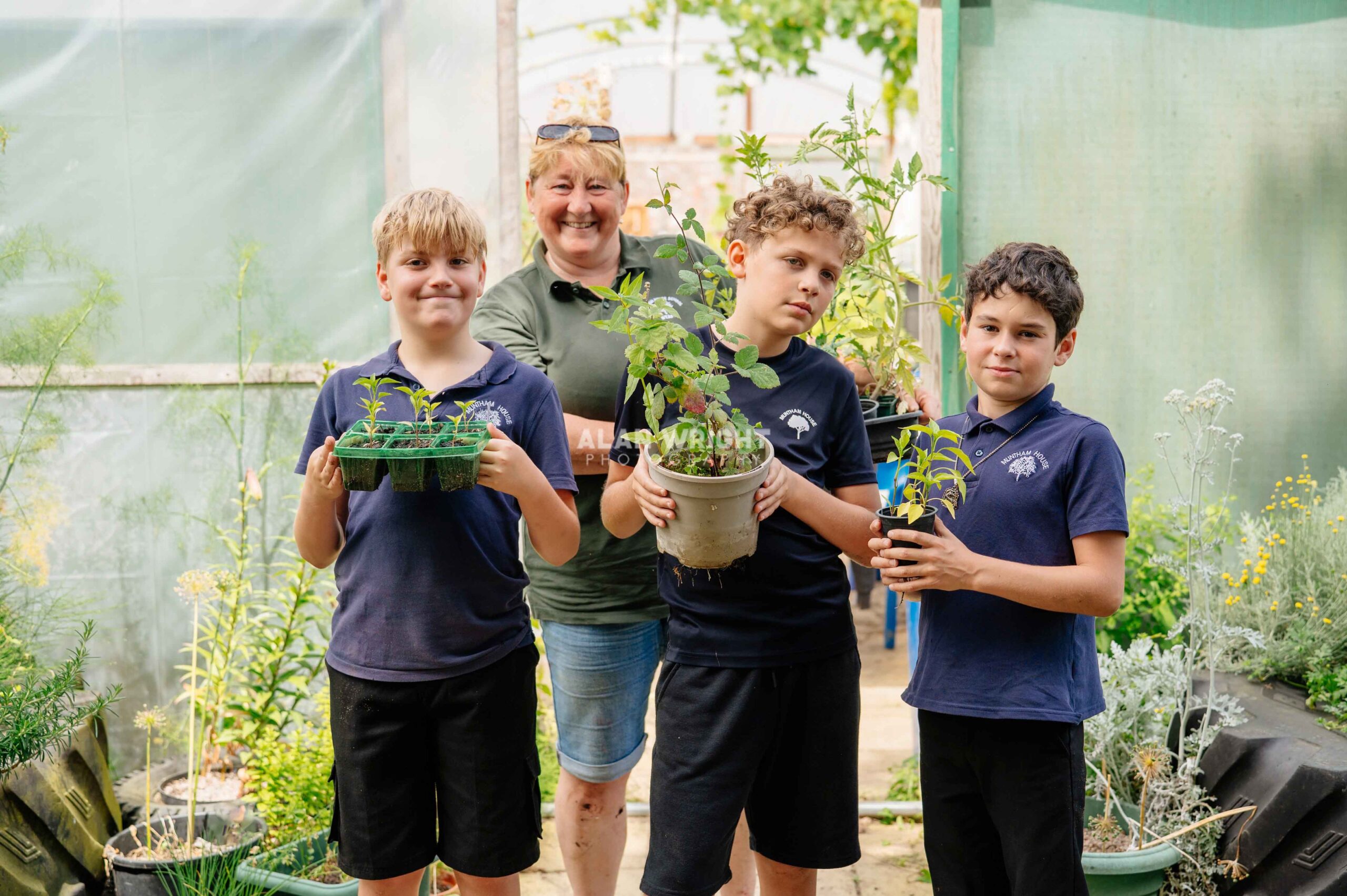
Pupils enjoy growing plants and vegetables (©AAH/Alan Wright)
Beyond the classroom, the school has developed a Young Enterprise scheme, where students sell snacks and pastries. The business even has its own bank account, with the boys involved splitting the profits at the end of the year, before the next cohort take over. Muntham House has also had notable success with The Duke of Edinburgh awards.
Harry said: ‘We recently took a group of six boys to Morocco to complete the challenge element of the Gold award. They climbed Mount Toubkal, the highest mountain in North Africa. Should they complete other elements, they’ll go to Buckingham Palace to receive a Gold Award, which very few achieve.
‘It used to be the case that most of our children had behavioural problems and we had a reputation of being the “naughty boys’ school on the hill”. More recently, we have focused on autistic pupils who are bright and able but sometimes cannot succeed in a mainstream environment. This has helped to create a more open and friendly environment and we’re very proud of what we’ve been able to achieve. We hope our success can be replicated elsewhere, influencing not just SEN provision, but mainstream education too.’
Further Education: See the school prospectus online at www.muntham.org.uk
First published in AAH Magazine on 2 August 2026. Photos: Alan Wright Photography/Words: Ben Morris